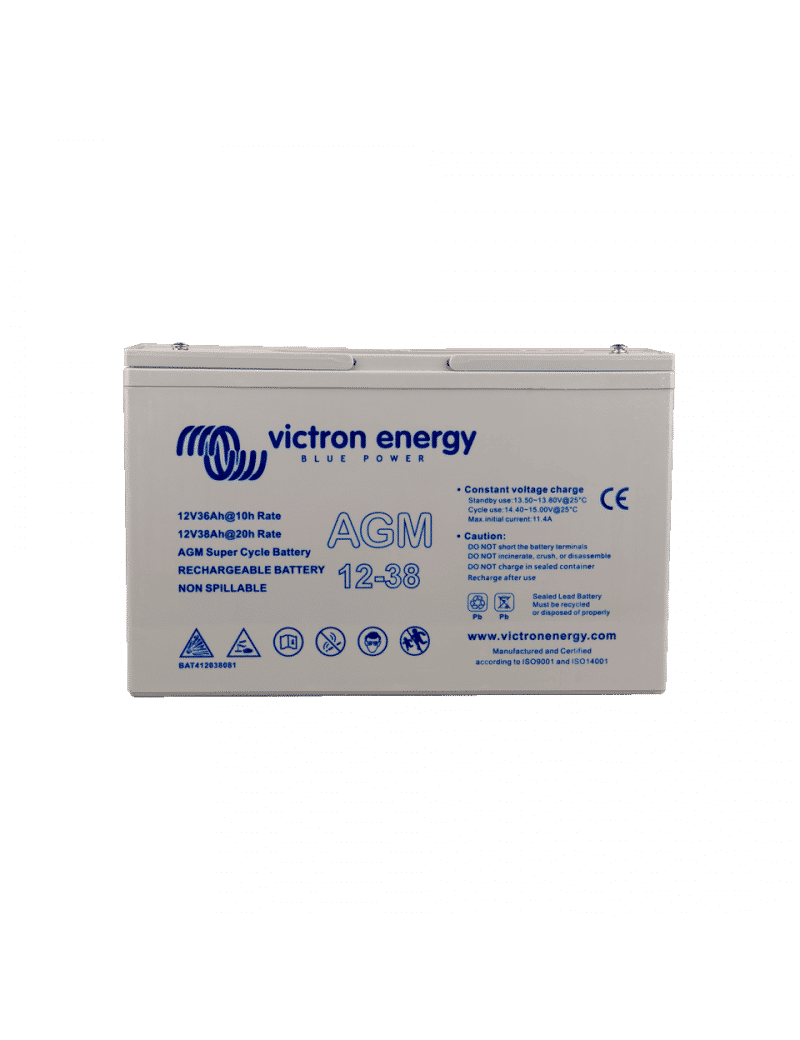
Victron BAT412110081

Victron BAT412110081

Disponibilité
En stock
Nombre d’offres : 3
Commande minimale
1 pièces
Incoterms
EXW

Prix net selon la quantité

à partir de 212,30 €

Les prix par paliers de quantité sont visibles pour les entreprises inscrites.

Vous ne payez rien pour l’instant. Nous chiffrons le coût du transport après l’envoi de la commande ; il est soumis à votre acceptation.
Description

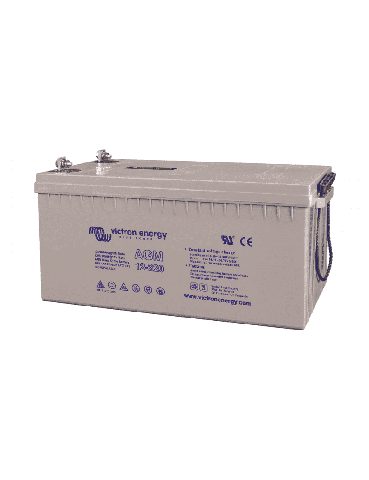
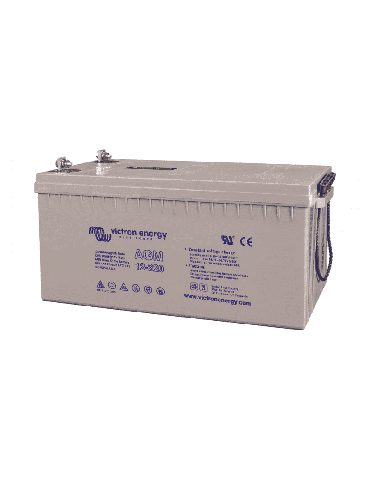
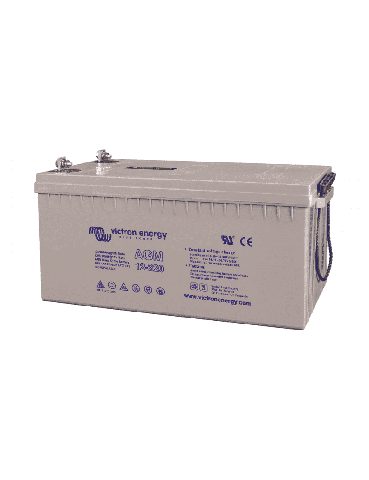
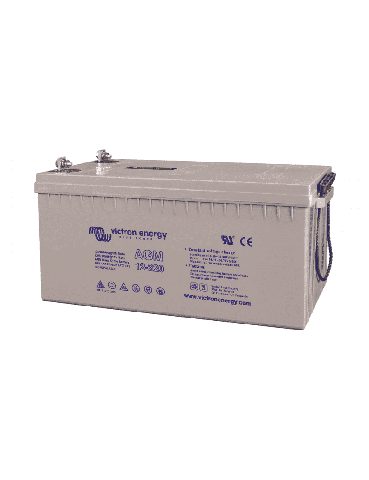
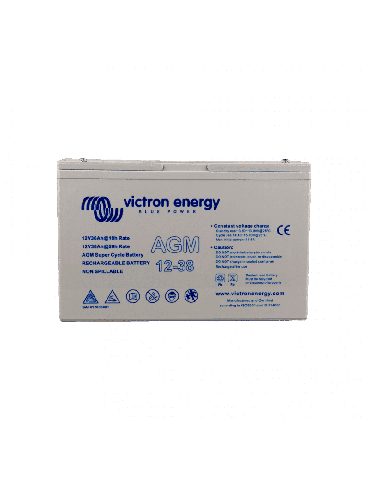
Batterie Victron BAT412110081 d'une capacité de 100 Ah, AGM, tension 12 V. Dimensions 215 × 168 × 260 mm (H × L × P), poids 26 kg, garantie 2 ans.

Informations du fabricant

A truly innovative battery The AGM Super Cycle batteries are the result of recent battery electrochemistry developments. The paste of the positive plates is less sensitive to softening, even in case of repeated 100% discharge of the battery, and new additives to the electrolyte reduce sulfation in case of deep discharge. Exceptional 100% depth of discharge (DoD) performance Tests have shown that the Super Cycle battery does withstand at least three hundred 100% DoD cycles. The tests consist of a daily discharge to 10,8V with I = 0,2C₂₀, followed by approximately two hours rest in discharged condition, and then a recharge with I = 0,2C₂₀. The two hours rest period in discharged condition will damage most batteries within 100 cycles, but not the Super Cycle battery. We recommend the Super Cycle battery for applications where an occasional discharge to 100% DoD, or frequent discharge to 60- 80% DoD is expected. Smaller and lighter An additional advantage of the new chemistry is a slightly smaller size and less weight compared to our standard deep cycle AGM batteries. Low internal resistance The internal resistance is also slightly lower compared to our standard deep cycle AGM batteries.

Caractéristiques techniques

Dimensions et poids

Profondeur260 mm
Hauteur215 mm
Largeur168 mm
Longueur260 mm
Poids26 kg

Détails du produit

SérieAGM Super Cycle battery
Garantie2 ans

Caractéristiques principales

Capacité100 Ah
Tension de la batterie12 V
Technologie des cellulesAGM